

In emergencies, every second counts. Whether it’s a cardiac arrest at a shopping mall, a near-drowning incident at the beach, or a choking accident at home, having the skills to perform CPR can mean the difference between life and death. Yet, many people still hesitate to get trained. Often, they assume that emergency responders will arrive in time. However, statistics show that immediate bystander intervention significantly increases the chances of survival.
That’s why CPR training is more than just a skill—it’s a community lifesaver. In this article, we’ll explore the importance of CPR training. We will discuss how it empowers individuals and why it should be a priority for everyone. Getting your first aid certification alongside CPR can make you even more prepared to respond in emergencies.
The Life-Saving Power of CPR
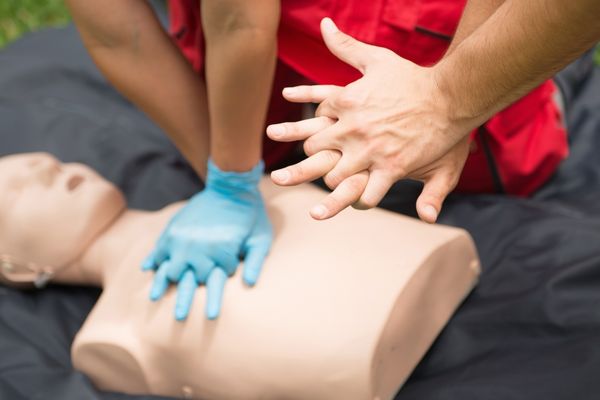
CPR, or cardiopulmonary resuscitation, is a technique used to keep oxygenated blood flowing to the brain and vital organs when someone’s heart has stopped beating. According to the American Heart Association (AHA), about 350,000 cardiac arrests happen outside of hospitals in the U.S. each year. Sadly, only about 10% of those affected survive. However, when CPR is performed immediately, it can double or even triple a person’s chance of survival.
The problem? Many bystanders don’t step in because they either don’t know how to perform CPR or are afraid of doing it incorrectly. This is where Certified CPR training comes in—ensuring that individuals are prepared, confident, and capable of stepping up when needed.
Why Everyone Should Get CPR Certified
- Emergencies Can Happen Anywhere
You don’t have to be a healthcare professional to need CPR skills. A cardiac arrest can happen at work, at the gym, or even at home. In fact, 70% of cardiac arrests happen in private residences. This means you’re most likely to use CPR on a loved one. By getting Certified CPR training, you’ll be prepared to act fast and potentially save a friend or family member’s life.
- CPR Training is Easy and Accessible
Many people assume that CPR training is time-consuming or difficult, but that’s not the case. Most Certified CPR courses can be completed in just a few hours, either in-person or online. Organizations like the American Red Cross, the AHA, and local community centers offer training sessions. These are affordable and designed for people of all backgrounds.
- Boosts Confidence in Emergency Situations
In an emergency, hesitation can cost lives. When you’re Certified in CPR, you won’t second-guess your ability to help. Training provides hands-on practice and real-world scenarios. So, if the time comes, you’ll know exactly what to do and can act without panic.
- It’s a Workplace and Community Advantage
Many employers are now encouraging or even requiring employees to get Certified CPR training. Whether you work in an office, school, or public service role, knowing CPR can make you an invaluable asset. Some professions, like teachers, childcare providers, and fitness trainers, already require CPR certification. Even if your job doesn’t require it, it’s still a great skill to have.
How to Get Certified in CPR
Becoming CPR certified is easier than ever. Here are some steps you can take to get trained:
- Find a reputable CPR certification provider – Organizations like the American Heart Association and the Red Cross offer high-quality training. You can also check with local hospitals and community centers.
- Choose the right course – CPR courses vary depending on whether you need basic certification, advanced life support training, or specialized training for specific situations like infant CPR.
- Take an online or in-person class – Many training centers now offer hybrid options, allowing you to learn CPR theory online and complete hands-on practice in person.
- Pass the exam and practical test – Most courses require you to demonstrate CPR techniques on a mannequin and pass a short exam before receiving your Certified CPR
A Skill That Saves Lives
Learning CPR isn’t just about acquiring a new skill—it’s about empowering yourself to make a difference in someone’s life. Whether you’re a parent, student, coworker, or community member, your ability to perform CPR can turn a tragic situation into a second chance at life.
Don’t wait until an emergency happens to wish you had learned CPR. Take the initiative today, get trained, and be ready to save a life when it matters most.
Frequently Asked Questions About CPR Training
1. Why is CPR training important?
CPR training equips you with the skills to act quickly during a cardiac arrest or other emergencies. Immediate CPR can double or triple a person’s chance of survival before emergency responders arrive.
2. Do I need to be a healthcare professional to learn CPR?
No, CPR training is for everyone. In fact, most cardiac arrests happen at home, meaning you’re more likely to use CPR to help a loved one than a stranger.
3. How long does it take to get CPR certified?
Most CPR certification courses take just a few hours to complete. They are available in-person, online, or in hybrid formats, making it easy to fit training into your schedule.
4. Is first aid certification included with CPR training?
Many providers offer combined CPR and first aid certification courses. This allows you to be prepared not only for cardiac emergencies but also for injuries, burns, choking, and other medical situations.
5. How long does CPR certification last?
Certification is typically valid for two years. After that, you’ll need to take a refresher course to stay up to date on the latest guidelines and techniques.
6. Where can I take a CPR course?
Organizations like the American Heart Association, the American Red Cross, and local hospitals or community centers regularly offer CPR training.