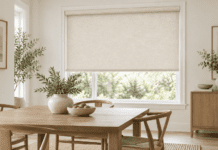
When we think about transforming a room, we often focus on the obvious elements—wall colors, lighting, furniture upholstery, and decorative accents. But what if the real star of your design could come from an unexpected place? Often overlooked in favor of tabletops and finishes, table bases can bring an entire space to life. These architectural support structures have evolved far beyond their utilitarian roots. In today’s design world, they’re stealing the spotlight and anchoring rooms with style, stability, and a sense of grounded beauty. Whether you’re refreshing a dining room, elevating a workspace, or creating a custom coffee table, the right table base can completely redefine the aesthetic of your interior.
Why Table Bases Matter More Than You Think
Most people see a table as a surface to serve a function—dining, working, or displaying objects. But underneath that surface lies the true foundation of both form and function. A well-crafted table base doesn’t just hold up a tabletop; it tells a story. It influences the room’s overall tone, whether modern, rustic, industrial, or minimalist. Think of it as the furniture equivalent of wearing bold shoes to complete your outfit. The right table base turns something simple into something extraordinary.
Blending Function with Statement Design
Design isn’t just about beauty—it’s also about purpose. A table base has to do the heavy lifting, quite literally. It supports weight, balances structure, and often determines the durability of the entire piece. However, magic happens when a base delivers on strength and aesthetics. From sculptural metal frames that play with geometric form to wooden legs that recall artisanal craftsmanship, these designs make it clear: a table base can—and should—be more than practical.
The Rise of Custom and Handmade Table Bases
With homeowners and interior designers seeking more personal, expressive pieces, custom table bases are growing in popularity. Artisan blacksmiths, metalworkers, and woodworkers are crafting bespoke bases that match a client’s unique vision. These bases may be powder-coated steel in matte black for a contemporary loft or turned oak legs for a farmhouse-style table. Either way, customization opens the door to original design, allowing the table base to reflect the soul of its space.
Metal Bases: Sleek, Durable, and Modern
Thanks to its versatility and sleek look, metal has become a preferred material for many designers. Steel, iron, and aluminum bases offer durability and visual impact, often with minimal bulk. Angular legs, crisscrossed frames, and clean industrial lines suit modern interiors beautifully. These bases are strong and elegant in their simplicity, offering a refined contrast to natural wood or glass tops.
Wooden Bases: Warmth with Craftsmanship
Wood brings something that metal simply can’t replicate—warmth, texture, and a sense of tradition. Whether reclaimed, stained, or raw, wood table bases often become the focal point in a room without trying too hard. From the rustic appeal of thick farmhouse trestles to mid-century modern tapered legs, wooden bases infuse warmth and personality into a table. For those who lean toward natural, organic aesthetics, a wooden base is a timeless option that never loses charm.
Sculptural Bases: Artistic Centerpieces
For bold decorators who want furniture to double as art, sculptural bases are the ultimate expression of creativity. Abstract shapes, asymmetrical structures, and gravity-defying designs add movement and intrigue to any room. These are not your average supports—they are deliberate, dramatic, and meant to be seen. Placing a glass tabletop over a sculptural base makes the artistry underneath visible and appreciated.
Open vs. Closed Bases: Space and Balance
Choosing between open and closed designs can dramatically affect how spacious a room feels. Open bases create an airy, lightweight feel for smaller areas or minimalist decor. On the other hand, closed pedestal bases or chunky legs offer a grounded, solid look that can anchor larger rooms. The visual weight of the base should be considered alongside other furniture pieces to maintain balance and cohesion.
Matching Your Table Base to Interior Styles
Your table base should echo the mood of your interior. For industrial spaces, go for raw metals and geometric structures. In boho or eclectic rooms, think about repurposed materials or hand-carved wood. Whitewashed finishes and light wood tones provide softness and clarity. For coastal or Scandinavian styles, the key is to let the base subtly reinforce the style you’re aiming for, without becoming too overpowering or clashing with other elements.
Creating Contrast Between Top and Base
Design thrives on contrast. Pairing an ornate, vintage-style base with a smooth, modern slab top creates striking tension that draws the eye. Similarly, combining heavy wood with light glass can elevate the entire composition. This push-and-pull between elements makes the piece feel considered, curated, and layered with design intention.
How to Make Your Table Base the Star
If you want your table base to truly steal the show, don’t hide it under layers of tablecloths or clutter. Choose materials that reflect light or feature natural finishes that stand out. Position your table where the base is visible from multiple angles. Use lighting to emphasize the shape and structure. And most importantly, don’t be afraid to choose a table base that’s bold, quirky, or unconventional—because standing out is exactly the point.
In the world of interior design, it’s often the unexpected details that make the greatest impact. Table bases are no longer just a support structure—a design statement, a functional sculpture, and a defining piece of your space. The right base can transform your room from the ground up for bold contrast, subtle elegance, or custom craftsmanship. So the next time you’re thinking about updating your interiors, don’t just look up or around—look down. Sometimes, the best design starts when the table meets the floor.