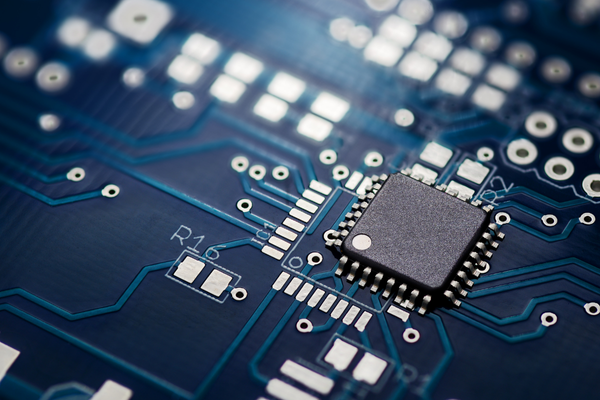
The rush to build artificial intelligence hardware is starting to cause some unexpected problems. As tech giants chase the next big AI breakthrough, the production of more ordinary memory chips, the ones that power our phones, tablets, and laptops, is falling behind.
Companies like NVIDIA, AMD, and Intel are devoting huge amounts of manufacturing capacity to advanced AI processors. That shift is leaving fewer resources for traditional DRAM and NAND chips, which are the backbone of most consumer devices. According to a recent Reuters report, the imbalance is already pushing up costs and straining supply chains around the world.
It might sound like an industry problem, but the effects could easily reach consumers. If manufacturers cannot get enough memory chips, they may delay upcoming product launches or quietly raise prices. Some might even scale back features to keep costs under control. These small changes often go unnoticed, but they can shape what ends up on store shelves and how much we pay for it.
Analysts say the shortage could last well into next year. In response, some companies are stockpiling chips or hunting for new suppliers to avoid production delays. Still, the situation shows how fragile the tech supply chain can be when one part of the market suddenly surges ahead of the rest.
The irony is clear. The same AI boom driving innovation is now making it harder to build the everyday devices we rely on. Finding the right balance between cutting-edge processors and the humble memory chips that keep them running will be one of the biggest challenges the tech industry faces in the year ahead.
About the author: Bryan Tropeano is a senior producer and a regular reporter for NewsWatch. He lives in Washington D.C. and loves all things Tech.