


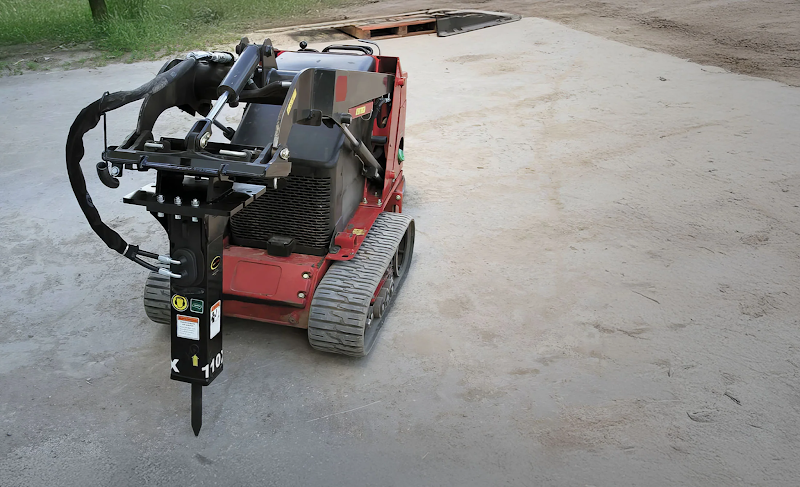
Cities are getting denser day by day; hence, urban construction continues to become more challenging as cities become busier and more complex with roads, buildings, and utility lines. Spaces are shrinking, but the work still needs to be done fast and clean. This shift has created a strong demand for smaller machines that can handle tough jobs without taking over the entire job site.
One tool group that stands out in this change is small-scale concrete breaking equipment, such as a mini skid steer concrete breaker. These compact machines are showing how powerful results can come from tools that look simple and easy to handle. Urban construction teams across the USA are using them more often because they solve the common problems that busy city worksites bring.
Why Urban Areas Need Smaller Tools
Construction in crowded locations often faces obstacles that large machines cannot manage well. It becomes hard to move, hard to control, and even harder to stay within city rules.
Several everyday issues make smaller breaking tools more suitable for these spaces:
- Limited entry paths
- Narrow roads
- High foot traffic
- Close residential areas
- Noise restrictions
- Dust control needs
- Strict timelines
These conditions make large equipment risky and slow. Smaller tools solve this by fitting into places that traditional machines struggle with.
How Small Breaking Tools Make Work Easier
Compact breaking tools may look light, but their performance is strong enough for tough concrete tasks. They carry the right amount of force without the size that usually causes issues in crowded city zones.
Easy Movement
Many urban sites only allow small machines due to narrow passages. Compact breaking tools can enter basements, alleyways, backyards, and service lanes where bigger machines cannot operate.
Strong Breaking Power
Even with a smaller body, these tools break concrete quickly. Their force helps teams complete jobs without long delays.
Less Disruption to the Public
Lower sound levels and better dust control help construction teams follow city guidelines while keeping nearby stores and homes comfortable.
Safer Working Conditions
Workers face less strain because they do not need to use heavy hand tools. The machine takes most of the load, improving safety on-site.
Fewer Traffic Problems
Since these tools are small, there is rarely a need to block large roads or shut down entire streets. Urban traffic can continue normally, which keeps residents and city officials satisfied.
Where Small Breaking Tools Are Used Most
Compact concrete breaking tools have become helpful across many types of city projects. Their size makes them suitable for areas that previously required slow manual labour.
Common uses include:
- Footpath and pavement repair
- Removing damaged concrete near buildings
- Small demolitions inside shops or homes
- Breaking concrete around pipes, cables, and utility lines
- Clearing concrete from rooftops or tight back spaces
- Working inside warehouses or storage units
- Preparing narrow trenches for new installations
These small tools help construction workers reach more spaces without adding complexity to the job.
Role of Mini Concrete Breakers in Today’s Urban Work
Among these small tools, the mini skid steer concrete breaker is gaining strong popularity. It attaches to compact skid steer machines, making it easy to control even in small areas. Since many American cities have limited work zones, this setup works well for contractors who need precision without slowing down their schedules.
The machine delivers strong breaking power but stays compact enough to move smoothly around obstacles. This makes it ideal for repairs, small demolitions, and maintenance work in places where large equipment simply cannot fit. By offering dependable performance in tight spots, it helps teams complete concrete removal tasks with less effort and less disruption.
Why Workers Prefer Compact Tools
Workers on urban construction sites favour small-scale breaking tools because they simplify many parts of the job. Some clear advantages include:
Lower physical stress
Manual concrete breaking is tiring. Compact equipment reduces this load on workers.
Better control
Smaller machines allow clean and precise work, lowering the risk of damaging nearby surfaces.
Faster progress
Workers spend less time shifting tools or making room for large machines.
Cleaner results
Dust and debris remain more contained, which matters a lot in crowded city settings.
Easier planning
Because work moves smoothly, projects stay on schedule more often.
These tools keep the work manageable without sacrificing performance.
How These Tools Are Shaping the Future of Urban Construction
Cities are continuing to grow, but the space to work in keeps shrinking. More high-rise buildings, more underground lines, and more crowded blocks mean that construction must adjust to fit these conditions.
Small-scale breaking tools are becoming part of this new normal because they:
- Support fast repair jobs
- Reduce delays caused by space limits
- Help keep busy roads open
- Lower risks of accidents
- Meet noise and dust regulations
- Offer a strong breaking force without a large size
This trend shows that compact equipment will likely become even more common as cities evolve.
Final Thoughts
Urban construction today needs strength and flexibility at the same time. Small breaking tools offer exactly that balance. They fit into tight areas, deliver strong results, and reduce disturbance in busy city zones. Tools like the mini skid steer concrete breaker make it possible for construction teams to complete demanding concrete work in a clean and efficient way.