


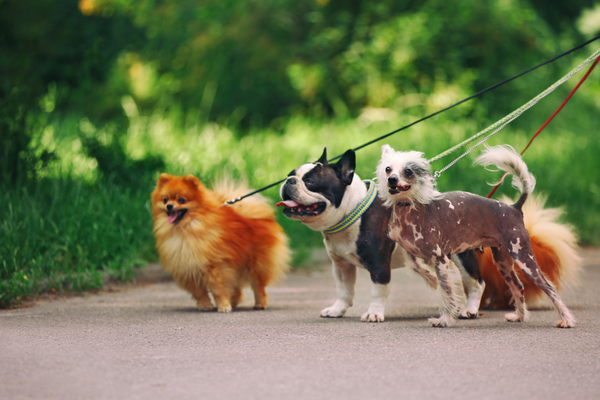
Walking a dog in Chicago involves more than a quick trip around the block. Crowded sidewalks, transit entrances, and constant construction shape how every walk unfolds. Limited space, sudden noise, and shifting foot traffic affect leash control, pacing, and focus, making routine exercise more complex than in quieter suburban or small city environments overall conditions.
For many owners, long workdays, variable weather, and packed streets make consistent walks difficult to manage alone. Missed outings and rushed schedules can affect behavior and training progress. Professional dog walking in Chicago steps in with reliable timing, steady handling, and route familiarity, helping dogs maintain structure, reduce stress responses, and stay engaged during daily urban walks.
Urban Environment Pressures
Chicago sidewalks are shaped by transit access, retail density, and constant infrastructure work. Narrow walkways, delivery traffic, and construction barriers reduce usable space and increase noise. Intersections add frequent stopping points and shifting pedestrian flow. These conditions require steady leash positioning and thoughtful pacing to keep walks controlled and predictable in dense neighborhoods.
Seasonal constraints affect which routes remain usable throughout the year. Snow storage, fencing, and resurfacing projects disrupt familiar paths and shorten walkable stretches. Residential streets often maintain consistent width longer than commercial corridors. Maintaining a small set of alternate routes supports continuity, allowing walk duration and pace to remain stable despite frequent sidewalk changes.
Leash Pulling Realities
Busy corridors like Clark, Halsted, and Milwaukee leave little room for error when distractions appear. Limited sidewalk width increases leash tension and shortens reaction time. A short, fixed-length leash supports better positioning and reduces sudden lateral movement. Maintaining a consistent side position helps limit pulling triggers and keeps movement predictable in crowded conditions.
Pausing when leash tension appears removes forward motion as a reward. Repeating this response at common distraction points reinforces calm pacing without heavy verbal input. Equipment that offers clear feedback and added control helps handlers stay steady without force. Over time, consistent handling reduces daily strain and improves walk reliability.
Dog-To-Dog Interactions
Park paths and narrow sidewalks near busy pocket parks leave little room for two dogs to pass without pressure building. Popular routes in Chicago become congested at school pickup and morning dog hours, forcing decisions about timing or detours. Crossing to the opposite curb or turning onto a parallel street early prevents dogs from leaning into one another and reduces escalation.
Watch for stiff posture, raised hackles, or prolonged eye contact as early signals that distance is needed. Redirect with a gentle sideways step, a slow U-turn, or a brief leash pause to change focus. Choosing quieter times or alternate park entrances lowers encounter frequency and helps maintain steady progress during walks.
Traffic And Safety Control
Sidewalk edges and curb lanes near Ashland and Halsted put dogs close to moving traffic, so keep dogs positioned on the inside of the sidewalk to lower vehicle exposure. Require a full stop at every intersection to build predictable crossing behavior. Use reflective leashes and light-colored gear for low-light visibility and add a clip-on light when needed.
High-traffic corridors demand advance planning rather than reactive correction. Route selection matters as much as leash control, especially near bus stops, school zones, and commercial loading areas where vehicle movement is unpredictable. Choosing crossings with clear sightlines, avoiding curbside congestion, and favoring streets with longer uninterrupted sidewalks reduces exposure before hazards appear. Treating traffic-heavy segments as transition zones—rather than walk time—helps keep dogs moving calmly and limits unnecessary pauses near active roadways.
Why Owners Choose Professionals
Consistent schedules and uniform handling give dogs clear expectations during daily walks. Professional walkers apply the same leash length, positioning, and pause points across routes. Familiar patterns support steady pacing and reduce confusion. Predictable handling helps dogs respond with fewer cues, even as sidewalk conditions and pedestrian density change.
Professional walking adds value through repeatability rather than intensity. Consistent timing, standardized handling, and fixed response patterns create stability across days. Walk documentation tracks routes, conditions, and behavior trends over time. This structure supports continuity and reliability, helping daily exercise remain consistent despite changing urban conditions and limited owner availability.
Dog walks in Chicago work best when routines match the realities of crowded sidewalks and traffic patterns. Consistent timing, calm leash handling, and thoughtful route choices help dogs stay focused and comfortable in tight spaces. Professional walkers bring repeatable methods and local awareness that smooth daily outings despite construction, weather, and foot traffic changes. Owners benefit from dependable schedules and clear feedback about behavior and routes used. When walks follow a steady structure, dogs gain confidence and predictability. In a dense city environment, professional support often turns necessary exercise into a reliable, low stress part of daily care for urban owners.