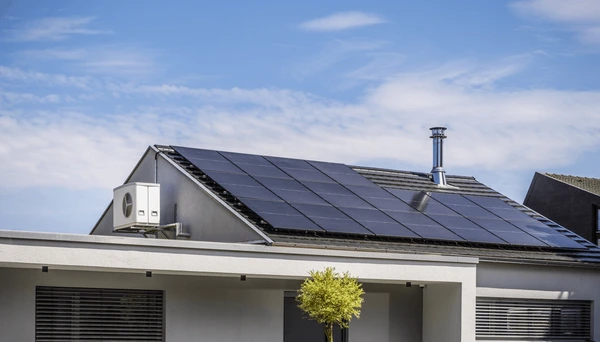
If you drive through just about any suburban neighborhood in the United States, you’ll likely see a similar scene of sunlight beating down on tech-savvy roofing systems.
Throughout recent years, conventional roofing materials have trapped and absorbed heat—which subsequently has contributed to higher energy bills and indoor temperatures.
However, in 2026, this is all beginning to change…
We recently interviewed Roofs by Warren’s asphalt shingle experts in Grove City, Ohio to learn more about how the entire roofing industry is quickly evolving toward cool roof technology.
What we found out is that these cutting-edge upgrades are gaining traction in communities across the country due to them offering property owners a smart way toward obtaining long-term savings and improved energy efficiency!
What Exactly Is Cool Roof Technology?
Cool roof technology refers to specific system designs that reflect more sunlight and absorb far less heat in comparison to standard roofs.
Traditional shingles can often reach astronomical temperatures during the summer; however, cool roof materials utilize lighter colors, reflective coatings, and a wide array of specialized granules to effectively deflect solar radiation away from rooftops.
What’s also really interesting about today’s cool roof systems is that they now come in a variety of forms. This includes the following materials:
- Reflective asphalt shingles
- Heat-reflective metal roofing finishes
- Specialized membrane systems
- Tile roofing
These options are now far more aesthetically pleasing in comparison to the cool roofs of the recent past, which is a huge reason why we’re now seeing countless homeowners across the country who prioritize curb appeal finally pull the trigger on this technology!
Why American Homeowners Are Beginning To Pay Closer Attention To Cool Roofs
By far one of the biggest drivers toward the resurgence of cool roofs across the country is the ongoing climb of energy costs in various regions—which has largely been caused by prolonged heat waves.
AC systems utilize a vast majority of a property’s electricity usage during the summer, and traditional roofs usually make HVAC systems work much harder than they’re actually supposed to. But by reducing a home’s rooftop heat gain, cool roofs are in turn stabilizing indoor temperatures and lowering monthly utility bills. Over long periods of time, cool roofs also provide less strain on AC systems and longer HVAC equipment lifespans.
And beyond basic financial savings, there are also many ecological benefits that have American homeowners turning their heads toward cool roofs. More people are becoming aware of the urban heat island effect, which is a big reason why we’re seeing a widespread adoption of reflective roofing materials in both urban and suburban neighborhoods nationwide.
Cool Roofing Technology Has Come Far In Recent Years
The early cool roof models were somewhat limited in terms of their bright white aesthetics, which were far more common on commercial buildings than residential homes. And although these systems were undoubtedly effective, they simply weren’t all that appealing to homeowners.
What’s exciting about today’s cool roofs is that they blend design with performance. Through advanced pigment technology, roofing manufacturers have been able to produce asphalt shingles and tiles that come in popular shades like brown, charcoal and slate that are still easily capable of reflecting very high percentages of solar energy.
Long-Term ROI
Although most cool roofs will come with a higher upfront cost in comparison to conventional shingles, there’s absolutely no denying how homeowners obtain an incredible long-term value off these investments.
This ROI comes in the forms of potential utility rebates, reduced cooling costs, and improved roof durability.
These energy-efficient upgrades are also known for substantially increasing a home’s resale value, which is a particularly appealing selling point in competitive suburban and urban real estate markets.
Future Building Trends & Climate Resilience
As summers in the United States inevitably become much hotter due to climate change, there’s absolutely no denying how future building standards will continue evolving.
This means that many states and municipalities will start updating their energy codes in order to encourage property owners toward cool roofs and reflective roofing materials on all new construction projects.
This means that today’s homeowners who invest in cool roofs are also future-proofing their properties for inevitable efficiency expectations.
Cool Roofs Offer A Smarter Way To Stay Cool During The Summer
Today’s cool roof technology is providing people with an unparalleled intersection between everyday living and innovation, and the great news is that embracing this technology only requires smarter materials overhead.
For neighborhoods facing rising energy costs and summer temperatures, it’s safe to say that the future of residential roofing is all about reflecting the elements.
And as this technology continues to blossom and awareness grows nationwide, we’ll likely see cool roofs become a new standard in home construction and repairs as Americans from coast to coast prepare for the realities of our modern climate!