


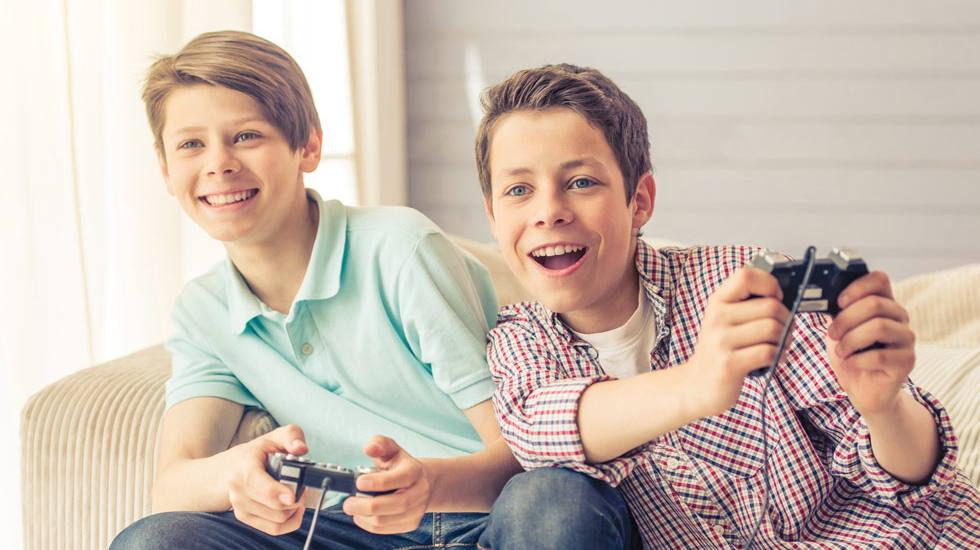
Video games have been perceived for decades as incompatible with a healthy lifestyle. However, research data and expert observations accumulated in recent years paint a more nuanced picture. When approached in moderation, gaming can deliver tangible benefits for cognitive function, emotional well-being, and even physical fitness. Against the backdrop of continuously rising screen time worldwide, the question of where the line between benefit and harm lies is becoming increasingly relevant.
Why Video Games Were Long Considered an Enemy of Health
The list of grievances against gaming is well known: sedentary behavior, the risk of addiction, sleep disruption, and potential negative effects on mental health. These concerns have not lost their relevance, but a new perspective suggests evaluating the effects of games through the lens of moderation rather than outright prohibition.
Researchers increasingly emphasize that what matters is not the act of playing itself, but its duration, context, and genre. This distinction is precisely what allows for a discussion of potential benefits without dismissing the risks.
The Brain at Play: Memory, Attention, and Rapid Information Processing
One of the most thoroughly studied areas concerns cognitive improvements. Action games and shooters train the speed of visual information processing and hand-eye coordination. Puzzle games and strategy titles engage different mechanisms, stimulating planning, pattern recognition, and the retention of details in working memory.
Skills honed in front of a screen often manifest beyond it. Multitasking, spatial reasoning, and the ability to switch quickly between tasks find application in professional settings and everyday life.
How Games Help Manage Stress
Casual games and simulation games frequently function as tools for psychological relief. The immersive effect of a game world allows players to temporarily shift focus away from anxious thoughts and concentrate on the task at hand. The American Psychological Association notes that gaming can elevate mood and promote relaxation.
The mechanism resembles the practice of mindfulness — where attention is directed entirely toward the here and now — except that an interactive environment is used in place of a meditative exercise.
Online Teams and a Sense of Community
Co-op and multiplayer formats transform gaming into a social experience. Completing missions together teaches players to:
- distribute roles and coordinate actions,
- articulate intentions and reach agreements under time pressure,
- build trust within a team.
For people who find face-to-face interaction difficult, online communities sometimes serve as a bridge to real social connections and a means of reducing feelings of loneliness.
Split-Second Decisions and Training the Mind Under Pressure
Fast-paced genres require players to assess situations, anticipate consequences, and adjust strategy within fractions of a second. This constant adaptation under time constraints is associated with the development of critical thinking and the ability to make decisions in high-pressure situations — skills that transfer to professional and everyday contexts.
Creativity and Learning Through Game Mechanics
Sandbox games like Minecraft open up space for design and experimentation, fostering imagination and unconventional thinking. Educational projects such as Kerbal Space Program spark interest in science and technology, while reading in-game dialogue and instructions simultaneously builds literacy and vocabulary.
The combination of entertainment and learning makes complex subjects more accessible, and player engagement ensures deeper retention of knowledge compared to passive consumption of material.
When a Controller Has Nothing to Do with a Sedentary Lifestyle
Projects that use motion sensors, VR headsets, or dance pads turn gaming into physical activity. Dancing, sports simulations, and virtual reality bowling develop motor skills and support overall physical tone. For those who find conventional workouts tedious, these formats offer a more appealing alternative.
Virtual Rehabilitation in Medical Practice
VR games and gamified exercises are increasingly being used in rehabilitation programs. Immersion in a virtual environment helps distract patients from pain and boosts motivation among those who struggle with repetitive exercises. Importantly, such applications take place under specialist supervision and within the framework of comprehensive therapy.
The Conditions Under Which “Benefits” Don’t Turn Into Harm
All of the effects described above are observed with moderate gaming. Excessive engagement carries the risk of:
- addiction and loss of control over time spent,
- deterioration in sleep quality,
- increased sedentary behavior and the health problems associated with it.
Practical guidelines include setting time limits, taking regular breaks, alternating gaming sessions with physical activity, and making conscious genre choices based on the goal — whether relaxation, learning, or socialization.
The choice of a specific game matters no less than time limits. Many of the effects described above require no significant financial investment: co-op missions, puzzle games, and social mechanics are available in free-to-play projects as well. The free-to-play market is vast today, and publishers distribute promo codes, sign-up rewards, and seasonal bonuses to retain their audiences. We reached out for comment to the team behind no-deposit-bonuses.ca, who track in-game bonuses and observe that even among free-to-play titles there are many that train teamwork, planning, and strategic thinking — provided they are approached with intention.
A bonus in this context is merely an invitation to try a game; what ultimately matters is its content — the genre, the mechanics, and the skills it engages. The focus, therefore, should be not on price or the generosity of promotions, but on the purpose for which the game is launched.