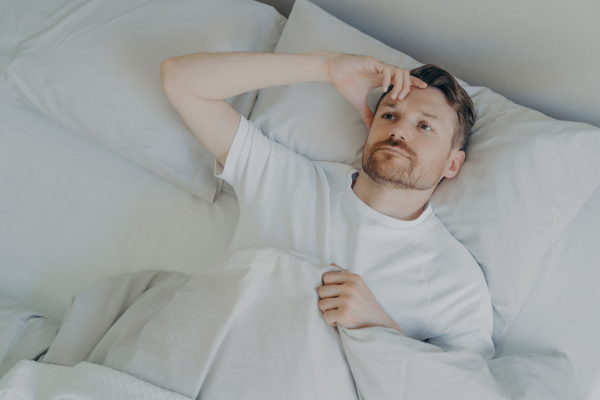
A sore shoulder can make it difficult to settle into bed. A restless night can leave the same shoulder feeling harder to manage the next morning. The connection between sleep and musculoskeletal pain can work in both directions, although it varies from person to person.
Understanding that relationship can help you notice useful patterns without assuming that poor sleep explains every ache. Persistent pain and sleep problems deserve attention together, especially when they affect your work, movement, or ability to get through the day.
Understanding the Pain and Sleep Cycle
Pain may interrupt sleep when you turn, put pressure on a sensitive area, or struggle to get comfortable. Worry about the injury can also keep you alert. After several unsettled nights, fatigue may make everyday tasks feel more demanding.
Sleep loss can increase sensitivity to pain. Researchers are studying how the nervous system, stress responses, and other processes contribute, but these mechanisms should not be treated as a complete explanation for an individual’s symptoms.
A 2024 systematic review found that sleep problems were associated with a greater risk of chronic musculoskeletal pain. The authors also noted uncertainty about parts of the relationship. The practical message is to consider both problems, rather than assume that fixing one will automatically resolve the other.
The pain and sleep cycle can also affect confidence. You may avoid activity because you feel exhausted, then worry that resting has made things worse. A manageable routine can help, without pushing through symptoms or blaming yourself for a difficult night.
Why Sleep May Change After an Injury
Sleep disruption after injury may reflect pain, anxiety, unfamiliar sleeping positions, or the discomfort of a prescribed brace, cast, or sling. Someone experiencing whiplash symptoms after a collision, for example, may find that turning the head or settling onto a pillow is uncomfortable.
Follow your treating clinician’s instructions about movement and support devices. Do not remove a brace or change its settings simply to make sleeping easier. If the prescribed setup is uncomfortable, ask how it can be adjusted safely.
Night pain does not reliably distinguish a mechanical problem from an inflammatory condition. Neither the time you wake nor the number of minutes you feel stiff can establish a diagnosis. New or worsening symptoms should be assessed in context.
Finding a More Comfortable Sleeping Position
There is no single sleeping position that suits every painful joint. Small changes may help: a pillow between the knees when lying on your side, under the knees when lying on your back, or beneath an uncomfortable arm for support.
Choose a head pillow that feels comfortable without forcing your neck into an awkward angle. These adjustments are options to try, not rules for correcting your body. If a position increases pain, numbness, or tingling, change it and seek advice if symptoms persist. After surgery or a fracture, prescribed restrictions take priority.
Everyday Habits That May Support Sleep
Start with a realistic wake-up time and keep it reasonably consistent. Give yourself a quiet transition before bed, with lower lighting and an activity you find calming. Keep the bedroom comfortably cool, dark, and quiet rather than chasing a precise temperature.
Consider whether late caffeine, nicotine, alcohol, or long naps are affecting your nights. Alcohol may make you feel sleepy initially but can disrupt sleep later. Reducing bright screens near bedtime may also help you wind down.
During the day, aim for movement that fits your condition and any treatment restrictions. Short, manageable periods of activity may be easier than alternating between overdoing things and prolonged rest. Ask a clinician or physical therapist which activities are appropriate.
Gentle movement before bed may feel soothing, but a general stretching routine is not suitable for every injury. Avoid forcing a stretch or trying to ‘decompress’ the spine. Stop if an exercise causes new or worsening symptoms.
When Sleep Habits Are Not Enough
The relationship between poor sleep and chronic pain can continue even when someone follows sensible bedtime habits. That is not a personal failure. Ongoing insomnia may need treatment beyond changing pillows or reducing screen time.
Cognitive behavioral therapy for insomnia, or CBT-I, is a recommended treatment for chronic insomnia. It combines approaches that address sleep-related habits and thoughts. Sleep hygiene alone is generally not considered sufficient treatment. A qualified clinician can help determine whether CBT-I is appropriate and how to access it.
Tell your clinician about medicines and supplements you use, along with snoring, gasping during sleep, or marked daytime sleepiness. A separate sleep disorder may need assessment. Do not change prescribed medication or add sleep aids without discussing their suitability and possible interactions.
When to Seek Medical Advice
Arrange an assessment if pain repeatedly interrupts sleep, worsens, or limits daily activity. Evaluation can help distinguish different causes of back pain and identify whether a separate sleep problem is involved. A brief diary of sleep, symptoms, and medication timing may make that conversation easier.
Keep the diary simple. Note roughly when you went to bed, how often you woke, and how you felt the next day. Include activities that seemed to ease or aggravate symptoms. Look for broad patterns rather than tracking every minute, especially if monitoring sleep makes you more anxious.
Seek prompt medical advice for pain with fever, unexplained weight loss, or feeling unwell. Back pain accompanied by new bladder or bowel changes, numbness around the groin, or weakness in both legs requires emergency assessment. Do not assume these symptoms are simply the result of a poor night.
A Practical Way Forward
Choose one or two manageable changes, such as a consistent wake-up time and a more comfortable supported position. Notice whether they help over time, while continuing appropriate care for the pain itself. Better sleep may make symptoms easier to manage, but it does not replace an assessment or guarantee recovery.
This article provides general educational information and does not replace individualized medical advice.