


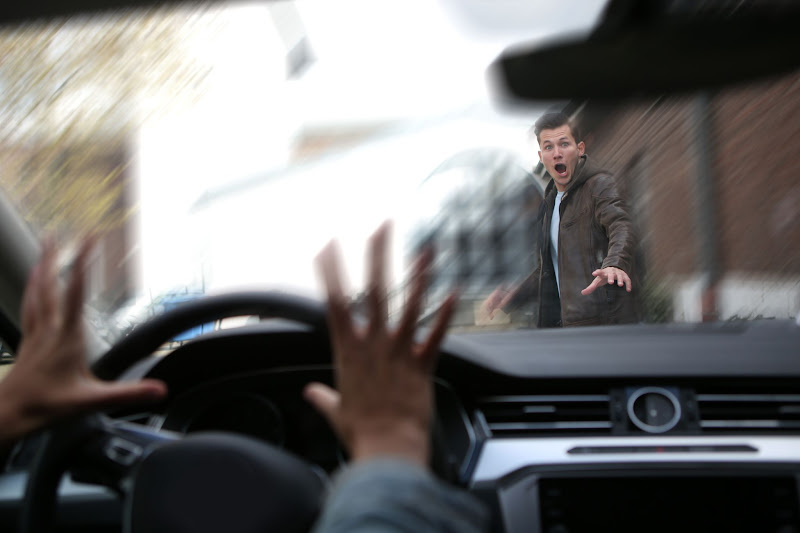
Concrete and paint lines rule the road, not patience or luck. That is the quiet power behind every crosswalk and traffic signal, and it often gets ignored until something goes wrong. Pedestrian accidents are not random events, and the injuries they cause are not simple bumps that fade away, especially when the law steps in to measure responsibility and harm.
Many people only learn how strict and structured these rules are once they start seeking legal help for injured pedestrians and realize how much is determined by facts, timing, and proof rather than emotion.
This blog breaks down how pedestrian accidents are viewed under the law, what injuries really mean in legal terms, and how rights take shape after impact, all without noise or legal fluff.
Pedestrian Accidents Are Not Just Traffic Issues
Pedestrian accidents sit at the crossroads of traffic law and personal injury law, which means they are judged more seriously than many people expect. These cases focus on duty, responsibility, and the choices made before the accident happened. Pedestrian safety and traffic rules and responsibilities plays major role in this.
Drivers are expected to follow traffic rules, stay alert, and respect crosswalks, traffic signals, and pedestrian right-of-way. Failing to do so is not just careless behavior but a legal breach that can carry heavy consequences.
Pedestrians also have responsibilities, but the law often places a higher duty on drivers because of the size and speed of vehicles. This balance matters because it shapes how fault is decided.
Courts and insurers look closely at speed, visibility, distractions, and traffic control devices. The truth is simple but firm. Pedestrian accidents are treated as preventable, not unavoidable, mishaps.
How Injuries Are Viewed Under the Law?
Injuries from pedestrian accidents are rarely minor in the eyes of the law. Even injuries that appear manageable at first can lead to long recovery times and lasting physical limits. The legal system focuses on how an injury affects daily life, work ability, and medical needs rather than just how it looks on paper.
Medical records become the backbone of a case. Doctors’ notes, treatment plans, and recovery timelines all help explain the real cost of the injury. Pain is not measured by emotion but by evidence that shows disruption and loss. This is why injury documentation matters so much. Without it, even serious harm can be downplayed or questioned.
Understanding Fault and Responsibility
The fault in pedestrian accidents is not always clear at first glance. Many cases involve shared responsibility, in which both the driver’s and the pedestrian’s actions are carefully reviewed. The law does not rely on assumptions but on facts supported by evidence.
Key factors that are often examined include the following numbered points.
- Traffic signals and pedestrian signs at the scene.
- Driver behavior, such as speed and attention.
- Pedestrian position and movement at the time.
- Weather and visibility conditions.
These details shape how responsibility is divided. Evena partial fault does not erase the right to seek compensation, which is a point many people misunderstand. Legal standards exist to protect fairness, not perfection.
Why Timing Matters More Than People Think?
Time plays a quiet but powerful role in pedestrian accident cases. Evidence fades, memories change, and legal deadlines move faster than expected. Reporting the accident, seeking medical care, and documenting injuries all help strengthen a claim.
The law sets strict time limits on when someone must take action. Missing these deadlines can mean losing the right to pursue compensation altogether.
This is not about rushing but about protecting options. Acting early gives room to assess injuries properly and build a case based on facts rather than guesswork.
Dealing With Insurance Is Not a Simple Step
Insurance companies approach pedestrian accidents with caution and calculation. Their goal is often to reduce payouts, not to fully explore the impact of an injury. Statements made early on can be used later to challenge claims or shift blame.
This is where understanding rights becomes essential. Knowing how to communicate and what to avoid saying can make a significant difference. Many people seek help for injured pedestrians at this stage because it adds structure and clarity to a process that often feels stacked against them. The law allows representation for a reason, and that reason is balance.
Compensation Is About More Than Medical Bills
Compensation in pedestrian accident cases extends beyond immediate medical costs. The law recognizes long-term care, lost income, and reduced quality of life as real damages. These elements are not guesses but calculated values based on evidence and expert input.
Claims may include ongoing treatment, physical therapy, and changes to daily routines. The goal is not profit but fairness. Compensation exists to restore stability where possible, even when full recovery is not achievable.
What Legal Options Really Look Like?
Legal options after a pedestrian accident vary based on facts, injuries, and responsibility. Some cases resolve through negotiation, while others move toward formal legal action. Both paths rely on preparation and understanding of the law.
Seeking legal help for injured pedestrians is often about guidance rather than conflict. A clear explanation of rights, risks, and possible outcomes helps people make informed decisions.
The law is structured, not mysterious, and understanding that structure removes much of the fear tied to these situations.
Wrap Up!
Pedestrian accidents carry significant legal implications, as they involve well-defined duties and serious risks. Injuries are assessed based on their actual impact, not merely how they appear, and liability is determined through evidence rather than assumption. Insurance and compensation processes follow clear legal rules that favor preparation and accuracy.
Understanding these realities changes how pedestrian accidents are approached. The law in these cases is practical and concrete—designed to address harm with fairness, accountability, and real-world effectiveness.