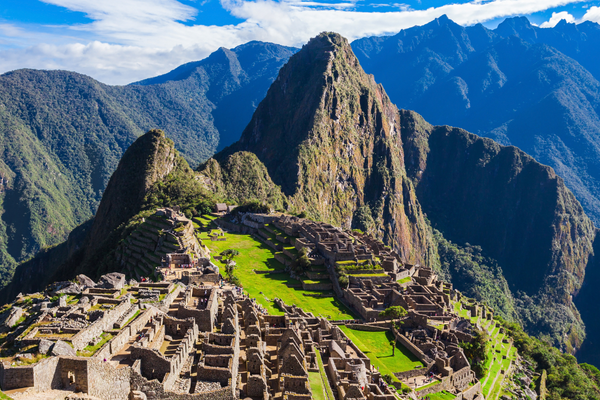
Planning a trip to Machu Picchu tends to start the same way for most travelers: with a long list of questions. It is one of the most photographed archaeological sites in the world, but once you move past the iconic image, practical concerns quickly surface. How do you get there? When should you go? Do you need a guide?
Some travelers immediately look into a Machu Picchu tour package to simplify logistics, while others prefer to piece together transportation and tickets on their own. No matter the approach, the same core questions come up again and again. Understanding these early on makes planning smoother and the experience far more enjoyable.
Instead of focusing only on what the site looks like, most first time visitors are trying to understand how it works. Machu Picchu is not just a destination. It is a protected heritage site with specific regulations, access routes, and environmental considerations.
How Do You Actually Get There?
One of the most common questions is surprisingly basic: how do you reach Machu Picchu?
There is no direct road from Cusco to the site itself. Most visitors travel by train to the town of Aguas Calientes, also known as Machu Picchu Pueblo, and then take a bus up to the entrance. Others hike part of the way, either on the classic Inca Trail or alternative trekking routes.
Each option requires advance planning. Train tickets can sell out, especially during peak season. Hiking permits for the Inca Trail are limited and often booked months in advance.
Understanding transportation early helps travelers avoid last minute stress. The journey is part of the experience, and knowing your route in advance allows you to focus on the scenery rather than the schedule.
When Is the Best Time to Visit?
Another frequent question revolves around timing. Peru’s highland region has distinct dry and rainy seasons. The dry season, generally from May through September, offers clearer skies and popular travel conditions. The rainy season, from November through March, brings greener landscapes and fewer crowds but more unpredictable weather.
There is no single perfect time. It depends on priorities. Some travelers value bright sunrise views over the citadel. Others prefer fewer visitors and do not mind occasional rain.
The UNESCO World Heritage Centre provides background on the site’s environmental and cultural importance. Learning about its protected status often influences when people choose to visit, since conservation efforts affect visitor numbers and regulations year round.
Do You Need a Guide?
This question comes up often, especially among independent travelers. Technically, entry rules have evolved over time, but hiring a guide is strongly recommended. Machu Picchu is far more meaningful with historical context.
Without explanation, it is easy to see terraces and stone walls as simply impressive ruins. With a guide, you begin to understand agricultural engineering, astronomical alignments, and the spiritual significance of surrounding peaks.
Guides also help visitors navigate designated circuits within the site. Visitor flow is carefully managed, and certain areas are accessible only through specific routes. Having someone who understands the layout reduces confusion and maximizes your time.
How Far in Advance Should You Book?
Many first-time visitors underestimate how popular Machu Picchu is. Daily visitor numbers are capped to protect the site. Tickets are sold for specific entry times and circuits.
During peak months, entry permits can sell out weeks in advance. If you plan to hike Huayna Picchu or Machu Picchu Mountain, those permits are even more limited.
Peru’s official government portal provides updates on ticketing and site regulations. Checking official sources ensures you are aware of current requirements.
Booking transportation, accommodation, and entry tickets early is one of the simplest ways to reduce stress. Waiting until the last minute can restrict your preferred dates or time slots.
What About Altitude and Acclimatization?
Although Machu Picchu sits lower than Cusco, most travelers pass through higher elevations before arriving. Altitude sickness is a genuine concern, particularly for those coming from sea level.
Spending a few days in Cusco or the Sacred Valley before visiting helps your body adjust. Staying hydrated and taking it easy on the first day can make a noticeable difference.
Visitors often ask whether they will feel breathless while exploring the site. While the terrain includes stone steps and uneven paths, pacing yourself usually prevents issues. Proper acclimatization is more important than physical fitness alone.
What Should You Pack?
Packing questions are common, especially regarding weather and terrain. The answer depends partly on season, but certain items are essential year round.
Comfortable walking shoes with good grip are crucial. The stone pathways can be uneven and slippery. Layers are also important. Mornings may feel cool, while midday sun can be strong.
Rain protection is advisable even in the dry season. Sunscreen, a hat, and water are also key. Large backpacks are not permitted inside, so plan to carry only essentials.
Travelers often ask about camera equipment as well. Photography is allowed, but drones and certain gear are restricted. Reviewing regulations ahead of time prevents disappointment at the entrance.
Is It Worth the Effort?
Perhaps the most honest question visitors ask is whether Machu Picchu lives up to the anticipation. After all the planning, travel time, and logistics, does it feel as impressive in person?
For most, the answer is yes. But not solely because of the famous viewpoint. It is the combination of mountain scenery, intricate stonework, and cultural depth that creates the impact.
Understanding the effort behind Inca engineering, the alignment with surrounding peaks, and the agricultural design adds layers to the visual experience. It becomes less about checking off a landmark and more about stepping into a living landscape shaped by history.
Turning Questions Into Confidence
The questions travelers ask before planning a trip to Machu Picchu are practical, thoughtful, and necessary. They revolve around access, timing, safety, and meaning.
By addressing these concerns early, visitors shift from uncertainty to confidence. Instead of worrying about tickets or altitude, they can focus on absorbing the atmosphere of one of the world’s most remarkable archaeological sites.
Preparation does not diminish the sense of wonder. It enhances it. When you arrive informed and ready, the experience feels less overwhelming and more intentional. And that is when Machu Picchu truly reveals its depth.