By: Claire Edicson
Tampa is a beautiful city in Florida. Many people prefer motorcycles for daily commutes here. If you’re riding a motorcycle in Florida, it’s not as simple as just hopping on and taking off. There are licensing procedures within the state that depend on your age, experience, and the kind of vehicle you will be riding.
Understanding the different kinds of motorcycle licenses in Florida and who is qualified to have each will keep you insured, safe, and legal. Whether you’re a new rider or moving from out of state, knowing how to get your Tampa motorcycle license is important.
From taking a Basic Rider Course to whether you should get an endorsement or a motorcycle-only license, each step is designed to help riders be educated and knowledgeable on traffic laws.
Now, let’s discuss who is eligible for what kind of motorcycle license in Florida.
Motorcycle Endorsement on a Class E License
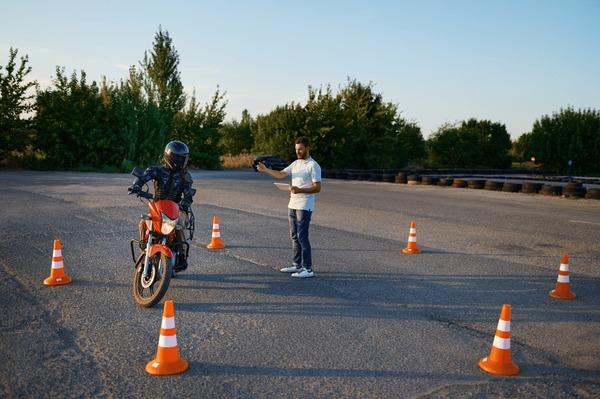
Anyone who is 16 years or older and already holds a valid Florida Class E driver’s license (the standard license for driving a car) can apply for a motorcycle endorsement. To qualify, the applicant must complete the Basic Rider Course (BRC or BRCu) offered by a Florida Rider Training Program (FRTP) sponsor.
This is the most common option for Floridians who already drive and want to add the ability to ride motorcycles legally. After completing the course, you must go to the DMV to have the motorcycle endorsement added to your existing license. This must be done within one year, or you’ll need to retake the course. This option is ideal for those looking for flexibility in choosing between riding a motorcycle or driving a car.
Motorcycle-Only License (“Motorcycle Only”)
Applicants must be at least 16 years old and not hold a Class E license. They are still required to complete the Basic Rider Course and must pass the general written knowledge exam typically given for a Class E learner’s permit.
This license is designed for individuals who only want to operate a motorcycle and have no interest in driving cars or trucks. Although it doesn’t allow you to drive standard vehicles, it still requires the same level of motorcycle training and testing. It’s especially useful for individuals in cities or rural areas who rely solely on motorcycles or scooters for transportation.
Learner’s Permit Stage (for Those Under 18)
If you’re under 18, you must first obtain a learner’s permit and hold it for at least 12 months without any traffic violations before applying for a motorcycle license or endorsement. You must also complete the Traffic Law and Substance Abuse Education Course as part of the process.
This stage encourages safe driving habits and ensures that young riders gain valuable experience before adding a motorcycle to the mix. Parents or guardians must sign a consent form, and supervised driving is strongly encouraged during this stage. This system prepares teenagers for motorcycle driving and road safety awareness.
Reciprocity for Out-of-State Motorcycle Licenses
Florida accepts motorcycle endorsements from all U.S. states, territories, and a few other countries. But the endorsement has to be specifically indicated on the applicant’s present out-of-state license. Alabama residents, however, must show proof of having successfully completed a motorcycle safety course to be granted Florida reciprocity.
It is a simple process that enables motorcycle riders who move to Florida from another state to continue riding their bike lawfully without repeating the entire licensing process. New residents must, however, visit a Florida DMV office, establish identification and residency, and surrender their original license. This simplifies it so a ride-ready veteran driver won’t be unnecessarily delayed when moving.
About the Author: Claire is a technology journalist with extensive experience covering emerging tech trends, AI developments, and the evolving digital landscape. Her experience helps readers understand complex technological advancements, and how they can be implemented in their everyday lives.