Show the Glass Ceiling Before the Owl Appears
The station is almost empty at blue hour. Brass lamps reflect across the tiled floor, glass panels hold the last cold light, and Amara pushes a small cleaning cart below the high roof. A soft wingbeat makes her stop. A moving shadow crosses the ceiling before the owl enters the frame.
The delayed reveal lets the architecture establish scale. The audience first understands the height and transparency of the room, then sees why the bird cannot immediately distinguish glass from open air.
Establish Why the Owl Cannot Be Chased Safely
The barn owl lands on a broad wooden beam above the concourse. Its pale heart-shaped face turns toward the skylights while Amara remains below at a respectful distance. She lowers the cart handle and steps back instead of approaching.
This image defines the rescue rule: the owl should choose the route. Amara can change the room, but she should not grab, corner, or command the bird.
Darken Competing Light Sources Around the Skylight
Amara switches off the nearest brass lamps and uses a wall crank to open one upper skylight. Cool dawn air moves a hanging fern below the opening. The rest of the roof becomes darker, while the open rectangle holds the brightest patch of sky.
The action solves a visual problem before it solves the animal’s problem. Instead of filling the hall with competing reflections, it creates one readable destination.
Use One Warm Lantern to Guide the Owl
Amara places a portable amber lantern on the floor beneath the open skylight, then retreats behind a column. The owl leaves the beam, crosses above the lantern, and rises through the opening into the pale morning. One small white feather turns in the air and settles beside the light.
The feather gives the camera a quiet ending after the fast flight. It also returns attention to the place where the route began, now transformed from a trap into a passage.
Guide the Owl by Changing the Station Lighting
Many rescue scenes build intensity through pursuit. This one does the opposite. Amara’s influence becomes smaller as the owl’s choices become clearer.
At first, she notices the shadow. Next, she stops moving. Then she changes the light and air. Finally, she leaves the owl a clear corridor and removes herself from it. The character remains essential without performing an unrealistic hands-on intervention.
That restraint supports believable animal behavior. The owl perches, scans, launches, flaps, and climbs. It does not understand speech, point with a wing, or display a human expression.
Map the Owl Route With Four Light Zones
The station can be organized as a sequence of brightness rather than a collection of unrelated shots.
- The glass ceiling begins pale but reflective.
- The wooden beam holds the owl in a darker middle layer.
- The open skylight becomes the brightest high point.
- The amber lantern marks the floor directly beneath that exit.
These zones create a diagonal path from beam to lantern to sky. Keep the skylight on the same side of the frame after it opens, so the final flight feels like a completed decision rather than a new location.
Use the Station Structure to Preserve the Owl’s Scale
Repeated station details help judge the owl’s size across changing camera distances. The wooden beam, brass lamp, hanging fern, arched window, and square skylight act as fixed measurements.
Avoid moving every background element between shots. If the beam becomes narrower or the lantern grows too large, the owl may appear to change size even when its anatomy is stable. A wide establishing view, one medium perch view, and one wide flight view provide enough variation without losing the building’s proportions.
Generate One Environmental Change in Each CapCut Scene
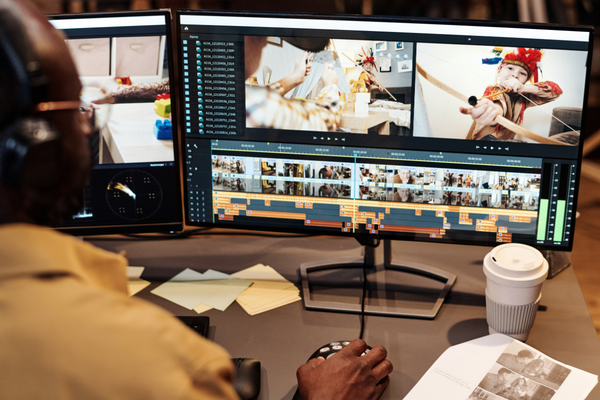
Begin with a written route in CapCut’s AI video generator: high perch, darkened station, open skylight, warm lantern, and diagonal flight. Select 16:9 so the owl can cross the frame while the exit remains visible.
Assign one lighting change to each scene and repeat the station roof, beam, perch, and owl markings wherever they appear. During refinement, preserve the quiet pause before takeoff and keep the final flight path clear from the lantern to the skylight.
Use Sound to Show Height and Distance
Open with the soft wheel of the cleaning cart and the long reverberation of an empty hall. The first wingbeat should come from above before the moving shadow appears. On the beam, use a brief claw sound against timber and allow the room to become quiet again.
The crank can add a low mechanical rhythm while the skylight opens. Introduce the outdoor air only when the gap is visible. During the final flight, let the wings move from the beam toward the opening, then reduce the sound to morning ambience as the feather falls.
Confirm the Flight Route in the Final Wide Shot
Check the sequence with the sound muted. The owl should begin below a closed field of glass and end beyond one unmistakably open panel. Amara should remain distant from the bird, and the lantern should stay on the floor rather than becoming a lure held in her hands.
The last frame should contain the open skylight, moving air, amber lantern, and settled feather. Together, those elements show that the room is now safe and the owl has left it.
Summary
Amara guides the barn owl by changing the station rather than controlling the bird. A fixed perch, one open skylight, and a diagonal light path make the 20-second journey easy to follow. Build each environmental decision with CapCut’s AI video generator, preserve the owl’s natural movement, and let the final feather close the story after the flight home.