


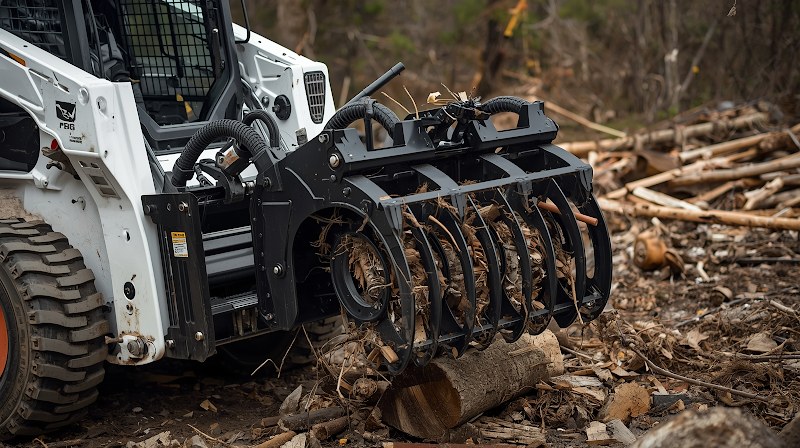
Cleanup tools do not usually get attention outside job sites, but rotating grapples are starting to change that. These upgraded attachments are showing up on contractor forums, product demo videos, and municipal equipment lists because their new tech features are solving common cleanup problems faster than expected.
An equipment that once looked like a simple grab-and-lift tool has grown into a smarter, more flexible system that helps crews manage heavy debris with better accuracy and fewer machine movements. Every industry and contractors look for safer, quicker, and cleaner ways to handle tough jobs, and the rotating grapples are becoming a standout upgrade in the industry.
What Makes Rotating Grapples Different Today
Older grapples were strong, but they worked in a fixed position. That meant operators needed multiple machine movements to get a clean grip on logs, debris, or waste. The latest rotating grapples are built to cut down on those extra motions. A full rotation system lets the operator twist, angle, and position the attachment exactly how the job requires. This change may look small, but it completely shifts the way cleanup jobs are handled.
Several improvements stand out in current models:
More Flexibility in Tight Areas
Construction sites, storm-damaged zones, and wooded areas often have cramped spaces. A rotating grapple helps the operator avoid repositioning the entire skid steer. Instead, the attachment handles the rotation, and the operator simply adjusts grip and angle as needed.
Better Accuracy for Sorting Tasks
Sorting mixed material—timber, metal scraps, rocks, brush—takes patience. New rotating systems give operators more control over direction, pressure, and placement, making it easier to separate debris without knocking everything over again.
Cleaner Pickup with Less Spillage
With upgraded claw designs and smoother hydraulic control, rotating grapples hold materials more securely. This prevents drop-offs during the lift and reduces the time spent cleaning areas twice.
How Technology Shapes Better Grapple Builds
Rotating grapples may look like heavy steel claws, but the engineering behind them is becoming sharper year by year. Most upgrades come from three areas: hydraulics, durability, and control systems.
Here are the tech trends shaping modern designs:
- Hydraulic Systems That Respond Faster
Modern cleanup work moves quickly, so attachments need to react right away. New hydraulic setups offer:
- Faster rotation without shaking
- Smoother pressure control for delicate lifts
- Better handling of irregular shapes
This gives operators more confidence, especially on uneven ground or shifting piles.
- Stronger Materials for Longer Life
Many rotating grapples now use wear-resistant steel and reinforced hinge points. These materials hold up better against rocks, roots, and sharp metal edges. The focus is not only on strength but also on reducing downtime spent repairing bent tines or worn joints.
- Smarter Control Options
Some grapples offer upgraded joystick configurations, allowing operators to rotate, grip, and swing the attachment with less effort. It reduces fatigue and improves precision, especially during long workdays.
These improvements help crews finish jobs faster while keeping the attachment reliable enough for daily use.
Where Rotating Grapples Help the Most
Different industries have different challenges, but rotating grapples fit into many of them. That is one reason contractors are paying more attention to this tool.
Construction Sites
Debris piles, old roofing, broken concrete, and framing scraps move quickly with a solid grapple attachment. Rotation makes loading trucks or shifting materials easier.
Forestry and Land Management
Logs and brush are rarely shaped the same way. The rotation feature helps the operator grip awkward sections, remove fallen trees, or stack logs neatly.
Storm Cleanup and Municipal Work
Public works teams often handle unpredictable cleanup jobs. Rotating grapples let them pick up large items safely, sort waste faster, and clear roads without delay.
Recycling and Scrap Handling
Sorting different materials: steel, wood, plastic, becomes smoother thanks to better accuracy and grip control.
Signs a Rotating Grapple Might Be the Right Upgrade
Contractors and city crews often know their job needs, but new tech makes decisions easier. To simplify the process, here are a few signs that a rotating grapple could be a helpful addition:
- Job sites often have tight corners or blocked pathways
- Material sorting takes too long
- Operators struggle with holding odd-shaped items
- The crew spends extra time repositioning the skid steer
- Current grapples drop materials too often
- Cleanup deadlines are getting tighter
If any of these issues come up regularly, a rotating grapple brings better control and speed to the workflow.
A Small Attachment That Brings Big Results
The growing interest in rotating grapples is not just a trend. It comes from real improvements that save time and reduce strain on both operators and machines. With better rotation systems, stronger builds, and smarter control designs, these tools are helping crews stay productive across many different environments. For contractors using a skid steer grapple, the upgrade to a rotating version opens the door to handling tougher cleanup jobs with more ease.
Closing Thoughts
Cleanup work will always demand strong hands and reliable tools, but the smartest results come from using equipment that works with the operator instead of against them. Rotating grapples continue to evolve, and each new design brings more control, more safety, and more efficiency to job sites. For teams handling heavy debris, unpredictable materials, or tight workspaces, this attachment is worth serious consideration.