


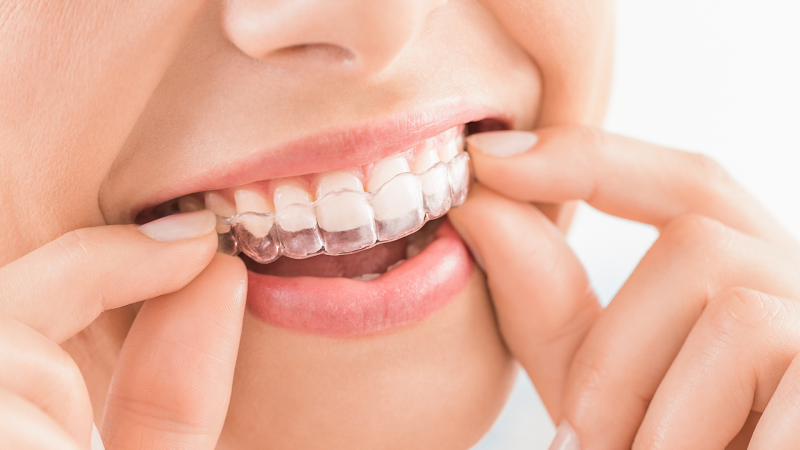
A straighter smile is no longer just about appearance. Orthodontic treatment can improve oral health, bite alignment, speech, and even long-term dental hygiene. In Singapore, more adults and teens are exploring orthodontic solutions such as traditional braces and Invisalign clear aligners to correct crooked teeth and jaw alignment issues.
But with multiple treatment options available today, many patients wonder: which option is actually better?
Understanding the differences between Invisalign and braces can help you choose the most suitable treatment for your lifestyle, dental condition, and goals.
Why More Singaporeans Are Seeking Orthodontic Treatment
Orthodontic care has become increasingly common among both teenagers and working adults in Singapore. While aesthetics remain a major reason, there are also important health benefits associated with correcting teeth alignment.
Misaligned teeth may contribute to:
- Difficulty cleaning teeth properly
- Increased plaque buildup
- Gum disease risks
- Jaw discomfort and bite problems
- Uneven tooth wear
- Speech difficulties in certain cases
Modern orthodontic treatments are also far more discreet and comfortable than they were years ago, making them more appealing for adults who previously avoided braces altogether.
Patients today commonly explore options like braces in Singapore or clear aligner systems, depending on their dental needs.
What Are Traditional Braces?
Traditional braces use brackets and wires to gradually move teeth into proper alignment over time. They remain one of the most effective orthodontic solutions for treating mild to severe alignment issues.
Braces are commonly recommended for:
- Severe crowding
- Overbites and underbites
- Crossbites
- Complex tooth movement
- Jaw alignment correction
Modern braces are now smaller, more comfortable, and more efficient than older versions. Some patients may also choose ceramic braces for a less noticeable appearance.
One major advantage of braces is that they work continuously because they are fixed onto the teeth. This removes the responsibility of remembering to wear aligners consistently.
What Is Invisalign?
Invisalign treatment uses a series of custom-made clear aligners to gradually shift teeth into position. These aligners are removable and almost invisible when worn, making them popular among adults and professionals in Singapore.
Each set of aligners is worn for about one to two weeks before switching to the next stage of treatment.
Many patients prefer Invisalign because it offers:
- A discreet appearance
- Greater comfort
- Easier eating and brushing
- Fewer emergency dental visits
- No metal brackets or wires
Invisalign technology also uses advanced 3D digital scanning to map out tooth movement before treatment even begins.
Invisalign vs Braces: Key Differences
Although both treatments aim to straighten teeth, they differ in several important ways.
Appearance
Invisalign aligners are clear and much less noticeable compared to metal braces. This makes them especially attractive for adults in professional environments.
Traditional braces are more visible, although ceramic options can reduce their appearance.
Comfort
Clear aligners are generally smoother and less irritating because they do not use brackets or wires.
Braces may initially cause discomfort or mouth irritation after adjustments.
Discipline Required
Braces work continuously since they are fixed.
Invisalign requires discipline because aligners must typically be worn for 20 to 22 hours daily to achieve effective results.
Food Restrictions
With braces, patients may need to avoid hard or sticky foods.
Invisalign aligners are removable, allowing patients to eat normally after taking them out.
Treatment Complexity
Traditional braces are often more suitable for severe orthodontic cases.
Invisalign works very effectively for mild to moderate cases and increasingly for more advanced corrections as technology improves.
Are Adults in Singapore Choosing Invisalign More Often?
Adult orthodontic treatment has become significantly more common in Singapore over the past decade. Many adults who did not receive braces earlier in life are now investing in their smiles and oral health.
One reason Invisalign has gained popularity is convenience. Adults often prefer treatments that fit around work meetings, social events, and daily interactions without drawing attention.
Clear aligners also make oral hygiene easier since patients can remove them when brushing and flossing.
Still, suitability depends entirely on the individual case. A consultation with an orthodontic provider is necessary to determine whether Invisalign or braces will produce better long-term results.
How Long Does Orthodontic Treatment Usually Take?
Treatment duration varies depending on the severity of the alignment issue.
In general:
- Mild Invisalign cases may take 6 to 12 months
- Moderate cases often require 12 to 18 months
- Complex braces treatment may take up to 24 months or longer
Patient compliance also plays a major role. Invisalign treatment may take longer if aligners are not worn consistently.
Choosing the Right Orthodontic Provider in Singapore
Orthodontic treatment is a long-term investment, so choosing an experienced dental provider matters. Patients should look for clinics that offer:
- Comprehensive orthodontic assessments
- Digital scanning technology
- Clear treatment planning
- Transparent pricing
- Ongoing monitoring and support
At i.Dental Singapore, patients can explore both braces and Invisalign options with personalised treatment plans tailored to their dental needs and lifestyle preferences.