


By: Bryan Tropeano
The mountains of old laptops, cracked smartphones, and broken earbuds piling up in junk drawers and landfills might finally be getting the attention they deserve. Lawmakers in Washington are turning their focus toward electronics recycling in the US—and not a moment too soon.
The Rare Earth Problem Isn’t So Rare Anymore
There’s a lot more than nostalgia buried inside your decade-old tablet. Lithium, copper, cobalt, and other rare earth elements are tucked away in most consumer electronics. These aren’t just parts—they’re essential building blocks for EVs, solar panels, smartphones, and nearly every connected device we use today.
The kicker? Most of these materials come from overseas, particularly China. That means every un-recycled gadget is not just wasted tech, it’s a missed opportunity to strengthen our supply chain. Electronics recycling in the US could become one of the most powerful tools in reducing that dependency—and lawmakers are finally starting to agree.
From Landfill to Lifeline
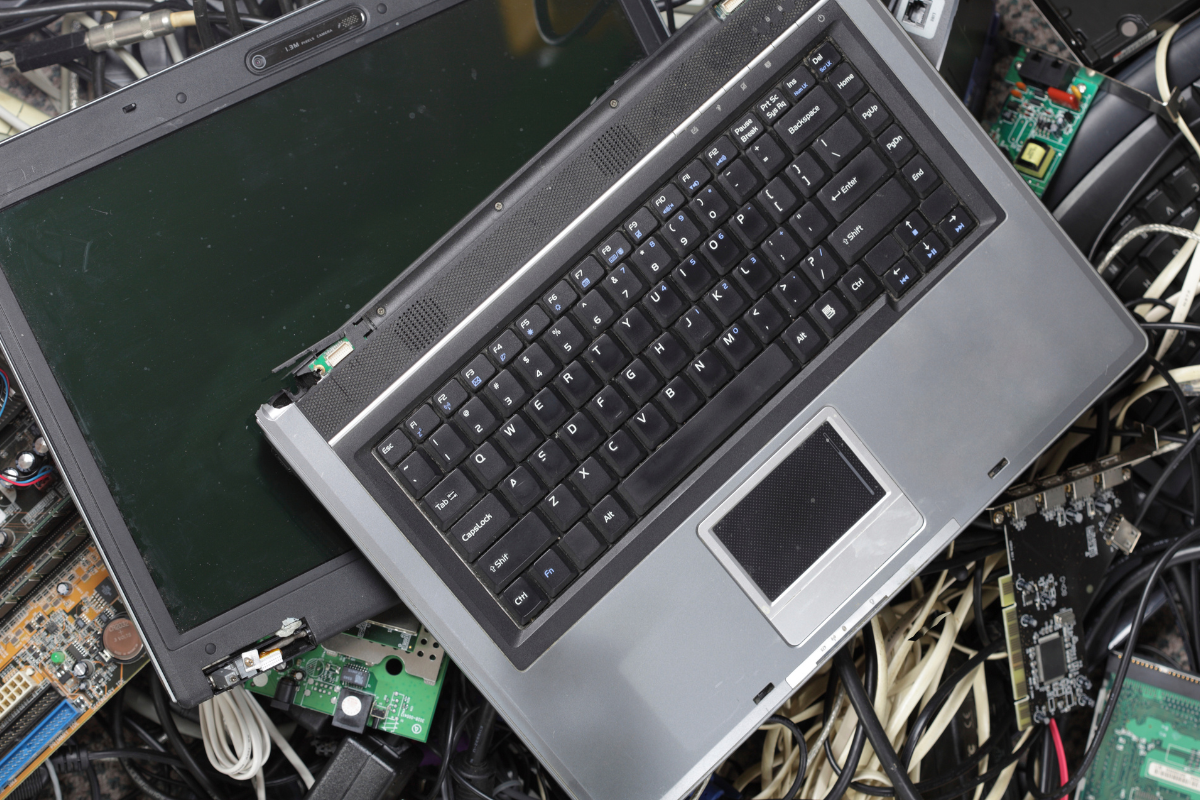
The current state of e-waste in the US is messy. Only a fraction of electronics are properly recycled, and a large chunk ends up in landfills or shipped off to countries with lower environmental standards. It’s not just environmentally irresponsible—it’s also economically short-sighted.
The new wave of legislation aims to change that. By investing in cleaner, domestic recycling programs, Congress is signaling that electronics recycling in the US isn’t just a green initiative, it’s a national security issue. Recovering and reusing these critical minerals means we rely less on foreign suppliers, reduce emissions, and keep valuable resources from going to waste.
Why This Push Is Different
We’ve heard whispers of recycling reform before. But this time, the urgency feels real. With the rise of EV manufacturing and AI-enabled devices, the demand for these minerals is skyrocketing. Supply chains are already feeling the pressure, and tech companies are pushing for more domestic options.
This isn’t just about better bins and improved sorting. Electronics recycling in the US needs a full-on infrastructure overhaul—everything from better consumer drop-off programs to scalable commercial recovery systems. It’s going to take public-private partnerships, strong policy, and a serious shift in how we treat end-of-life electronics.
The Role of Consumers and Brands
Change won’t come from Washington alone. Consumers have to rethink their upgrade habits. Brands need to design products that are easier to disassemble and recycle. And tech giants must lead the charge with transparent sustainability efforts, not just greenwashing campaigns.
But with federal support now gaining momentum, there’s hope that electronics recycling in the US can become less of an afterthought and more of an embedded part of the tech lifecycle.
A Shift That Actually Matters
For once, this isn’t just political posturing. The push for better electronics recycling in the US could reshape how we think about the gadgets we buy, the materials they use, and what happens when we’re done with them. It’s not flashy, but it’s foundational. And it’s one of the few bipartisan efforts that just might stick.
Looking for more?
Check out our other articles below for the latest in tech, gadgets, and digital trends.
Apple Invests in U.S. Rare-Earth Supply Chain to Secure the Future
Easy Ways to Recycle Old Gadgets and Reduce Electronic Waste
About the Author: Bryan Tropeano is a senior producer and a regular reporter for NewsWatch. He lives in Washington D.C. and loves all things Tech.