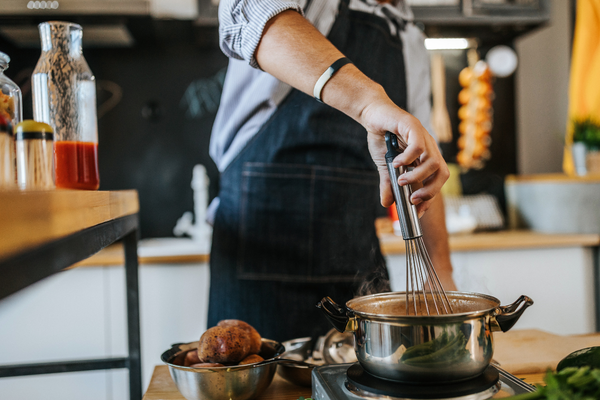
Finding a good recipe site is harder than it sounds. Most internet recipes are buried under personal essays about the author’s childhood dog. Others promise “easy” but deliver frustration. Some are technically sound but weirdly fussy, designed for advanced cooks with uncommon ingredients on hand. The best ones—the ones that feel like they actually understand home cooking—are harder to find. They’re often overlooked. This is a map to the ones worth knowing about.
Underrated Food Recipe Sites That Are Elevated But Doable
1. Gourmade
Gourmade builds recipes for home cooks who want restaurant-quality results without the pretense or the complexity. Every recipe prioritizes flavor development and technique without sacrificing approachability. Clear ingredient lists, honest instruction, and a philosophy that grocery store staples and standard kitchen equipment are enough. They explain why steps matter—not just what to do—which means you understand the technique well enough to adapt it. The photography is genuine, the writing is conversational, and there’s no padding between you and the actual recipe.
A few standouts worth trying: the Blackened Chicken delivers a deeply spiced, smoky crust with juicy meat inside—bold enough to stand alone and versatile enough to anchor a salad, wrap, or bowl. The Mango Sago is a silky, tropical dessert with tapioca pearls and fresh mango that feels like something from a Hong Kong dessert shop, made entirely in your home kitchen.
2. Serious Eats
Started as a mission to understand why food works the way it does, Serious Eats has evolved into one of the most technically grounded recipe collections online. Every recipe comes with detailed explanations. Their test methodology is visible—you trust the process because you understand it. The recipe archive is massive, and the search function works. Bonus: their equipment reviews and ingredient guides are worth reading even if you’re not cooking that day.
3. NYT Cooking
The New York Times cooking section treats recipes like journalism. Development is rigorous, testing is thorough, and instructions assume you want to succeed. The interface is clean, search is reliable, and they publish daily. There’s an archive decades deep, which means you can find almost anything. Some recipes lean fancier than others, but the baseline is solid technique and achievable results.
4. Cravings by Chrissy Teigen
Despite the celebrity name, this site delivers actually good recipes built for home cooks cooking for families. The flavor profiles are bold without being fussy. Instructions are clear. The collection spans weeknight dinners to weekend projects, and the tone is casual without being dismissive. These are recipes someone genuinely cooks, not just curates.
5. Bon Appétit
Bon Appétit’s recipe archive is substantial, and more importantly, editable. You can see ingredient variations, technique notes, and honest substitution suggestions from other home cooks. Some recipes are restaurant-inspired, others are accessible comfort food. The video content is well-shot and genuinely instructional. The range means you’ll find something useful whether you’re planning a casual weeknight or a more involved dinner.
6. ChefSteps
ChefSteps was built by professional chefs—including alumni of the Modernist Cuisine team—but the whole point is making that expertise accessible. They break down complex cooking concepts into visual, step-by-step guides that actually teach you something. The recipe library spans everything from precise sous vide technique to real-deal birria, with over 1,100 recipes and 350+ guides and digital tools. The production quality is high without being pretentious, and the explanations go deep enough to change how you think about cooking, not just what you cook tonight.
7. Food & Wine
Often overlooked in favor of more trendy sources, Food & Wine publishes solid recipes with real technique. Their archives are organized by ingredient, cooking method, and dietary preference, which makes finding what you need fast. The flavor profiles tend toward interesting without being difficult. The writing is direct.
8. The Kitchn
The Kitchn builds recipes around real kitchens and real cooking lives. The focus is on useful food—things that solve actual dinner problems. They publish daily, maintain a searchable archive, and the tone stays grounded. There’s less flash here, more substance. The ingredient guidance and substitution suggestions are thoughtful.
9. David Lebovitz
Lebovitz focuses heavily on pastry and desserts, but his approach applies across cooking. Each recipe comes with context, history, and technical explanations. His writing is engaging without being flowery. If you want to understand why a dough works or how flavors develop in a dessert, this is the resource. The recipe count is smaller than mega-sites, but the quality per recipe is high.
10. America’s Test Kitchen
The methodology here is transparent—you see how they tested, what they changed, and why. Recipes come with ingredient notes and equipment suggestions that actually matter. It’s not the quickest resource (the site can be a bit busy), but the reliability is unmatched. If you want to know a recipe works because extensive testing proved it, this is the source.
How We Picked These Sites
Finding quality recipe sites means weighing a few key things:
Recipe Quality. Does the recipe actually work? We looked for sites with visible testing methodology, honest instruction, and consistent results. A good recipe site tests from a home kitchen perspective, not a professional kitchen with staff and special equipment.
Technique Over Trends. The best sites teach how to cook, not just what’s currently popular. They explain methods deeply enough that you could adapt the recipe for different ingredients or your own preferences. Trending ingredients fade. Understanding technique stays forever.
Home Kitchen Realism. Sites that assume you have standard equipment and grocery store ingredients earn points. We avoided anywhere that requires specialty tools or ingredients that need special ordering. Cooking should be accessible without a budget or a commissary.
Curation Over Volume. More recipes doesn’t mean better recipes. We favored sites that are selective about what they publish, that edit ruthlessly, and that present fewer options but higher quality. Finding what you need should be fast.