By: Bryan Tropeano
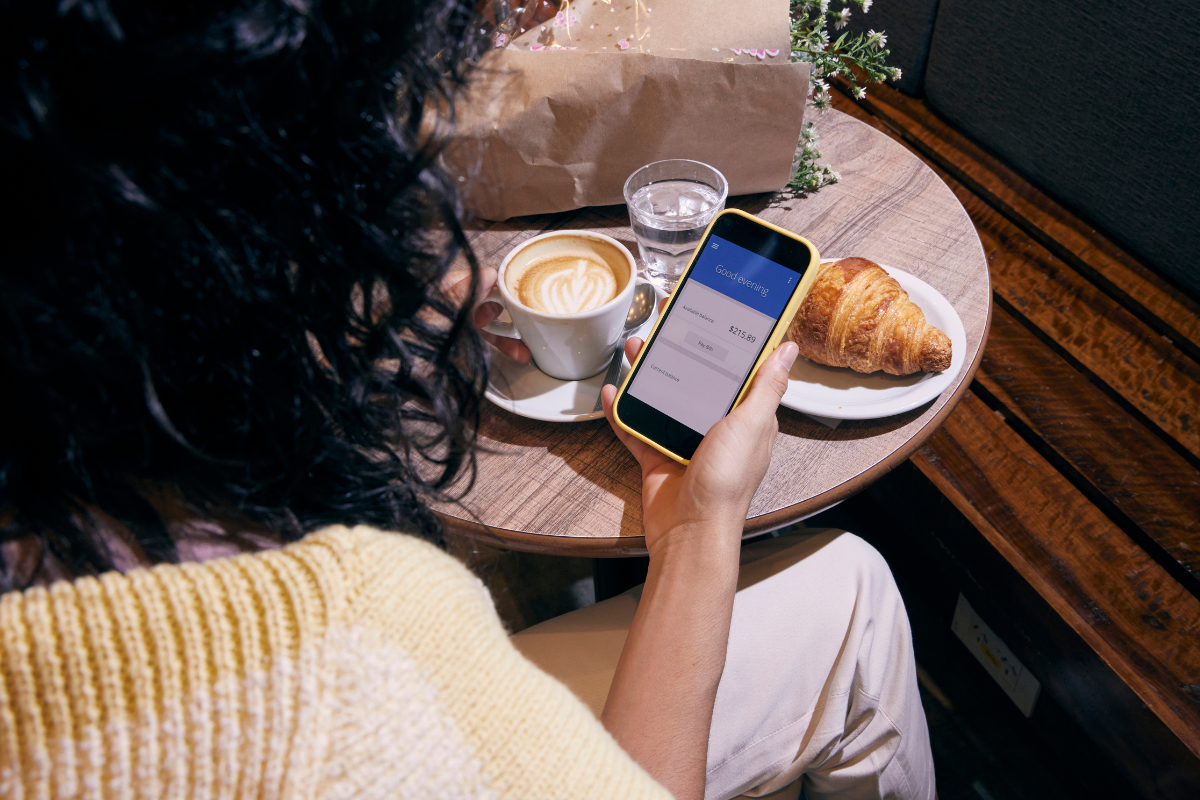
Let’s be honest, managing money is not exactly the most exciting part of life. Between bills, subscriptions, groceries, and those “how did I spend that much on takeout” moments, it’s easy to feel like your paycheck vanishes before you even notice it’s there. That’s where technology comes in. The Best Apps for Budgeting & Finance can take a lot of the stress out of money management by doing the heavy lifting for you.
Money management is a skill the whole family needs to learn. There is little point in learning how to open a bank account for a child if you are not also providing the tools and habits needed to take care of that money. Budgeting and finance apps make it easier to build healthy financial routines and model responsible money behavior at any age.
In this guide, we’ll walk through the Best Apps for Budgeting & Finance in 2025. These aren’t dusty old apps that haven’t been updated in years. They’re active, reliable, and packed with features that make it easier to track spending, set goals, and finally feel like you’re in control of your money.
Why Budgeting Apps Matter
Budgeting is one of those things everybody knows they should do, but it usually falls somewhere between cleaning out the garage and flossing on the “I’ll get to it later” list. Traditional spreadsheets can work, but honestly, who wants to type in every transaction manually?
The Best Apps for Budgeting & Finance sync with your accounts and automatically sort your spending. They give you a quick, no-BS breakdown of where your money is actually going. And once you can see that clearly, making smarter financial decisions gets way easier. Even learning small digital money skills like How to Add Money to Apple Pay can help you get more comfortable managing finances on your phone.
Mint: Still the Fan Favorite
Mint has been around forever in app years, but it’s still a go-to for millions of people. It connects to your bank accounts, organizes spending into neat little categories, and helps you see if you’re about to blow through your monthly food budget.
What I like most is how easy it makes bill tracking. You can see upcoming payments all in one place, which helps avoid late fees and those “oops” moments when you forgot a bill was due.
YNAB (You Need A Budget): A Different Way to Think About Money
YNAB isn’t just a budgeting app. It’s kind of a philosophy. Instead of just showing you how you already spent your money, it gives every dollar a job the second it hits your account. Rent, savings, Netflix, whatever—you plan it out first.
It takes some adjusting, but if you want to break the paycheck-to-paycheck cycle, YNAB might be exactly what you need. The app is hands-on, but that’s the point. It forces you to be intentional. Honestly, it deserves a permanent spot on any list of the Best Apps for Budgeting & Finance.
PocketGuard: Simple and Straightforward
If you’re the type who just wants to know, “How much can I actually spend without wrecking my budget?” then PocketGuard is your friend.
It calculates how much money you’ve got left after bills and savings, and that’s your “safe-to-spend” number. No complicated charts, no overthinking. Just a quick reality check for your wallet.
Goodbudget: The Envelope System Goes Digital
Remember the old-school envelope method where people would divide their cash into categories? Goodbudget takes that idea and puts it on your phone.
You assign money to digital envelopes like groceries, gas, or date night, and when the envelope is empty, that’s it. What makes it stand out is that you can share your envelopes with a partner, which makes it a great choice for couples trying to stay on the same financial page.
Empower (Formerly Personal Capital): For the Big Picture
If you care about more than just budgeting, like investments, retirement, and your overall net worth, Empower is worth checking out. It pulls in all your accounts and gives you a bird’s-eye view of your financial life.
Think of it as part budgeting app, part wealth manager. It’s one of the Best Apps for Budgeting & Finance if you’re serious about long-term planning.
Monarch Money: A Newer Option That Feels Polished
Monarch Money hasn’t been around as long as Mint or YNAB, but it’s quickly becoming a favorite. It looks sleek, syncs with tons of banks, and makes it easy to create shared budgets or track recurring subscriptions.
It’s flexible and feels modern, which is refreshing compared to some older apps that look like they were designed ten years ago and never updated.
What to Look for in a Budgeting App
Not every app works for every person, but here are a few features to pay attention to before you commit:
-
Automatic syncing with your bank (saves you from typing everything in).
-
Customizable categories so you can tweak it to your lifestyle.
-
Goal tracking for both small and big savings plans.
-
Strong security, since your financial data should always be encrypted.
-
Price, because some apps are free while others require subscriptions.
Making the Most of The Best Apps for Budgeting & Finance
Downloading the Best Apps for Budgeting & Finance is only step one. To actually see results, you have to check in regularly. That means looking at your spending at least once a week, making adjustments, and holding yourself accountable when you go over budget.
The cool thing is, most of these apps give you charts and reports that highlight your habits. Spotting patterns, like how much you really spend on DoorDash each month, can help you cut back and put that money toward something better. If you’re serious about building long-term stability, check out tips on How to Secure Your Smart Home too, since digital security plays a big role in protecting your finances.
Final Thoughts
Budgeting apps aren’t going to magically make you rich, but they can absolutely make managing money less stressful. From old standbys like Mint and YNAB to newcomers like Monarch Money and Zeta, there’s a tool out there for every type of spender and saver.
The trick is finding one that fits your personality and lifestyle. Once you do, you’ll be surprised at how quickly you start feeling more in control of your finances.
At the end of the day, the Best Apps for Budgeting & Finance are the ones you’ll actually stick with. Pick one, give it a fair shot, and you might just find budgeting feels less like a chore and more like a game you can actually win.
👉 While you’re here, check out our guide on How to Cancel Kindle Unlimited. Because saving money isn’t just about budgeting, it’s also about trimming down the stuff you don’t really use.
About the Author: Bryan Tropeano is a senior producer and a regular reporter for NewsWatch. He lives in Washington D.C. and loves all things Tech.